Master's Biographies
Warren Buffett
1930 – · Berkshire Hathaway · Graham's foremost disciple, the Oracle of Omaha
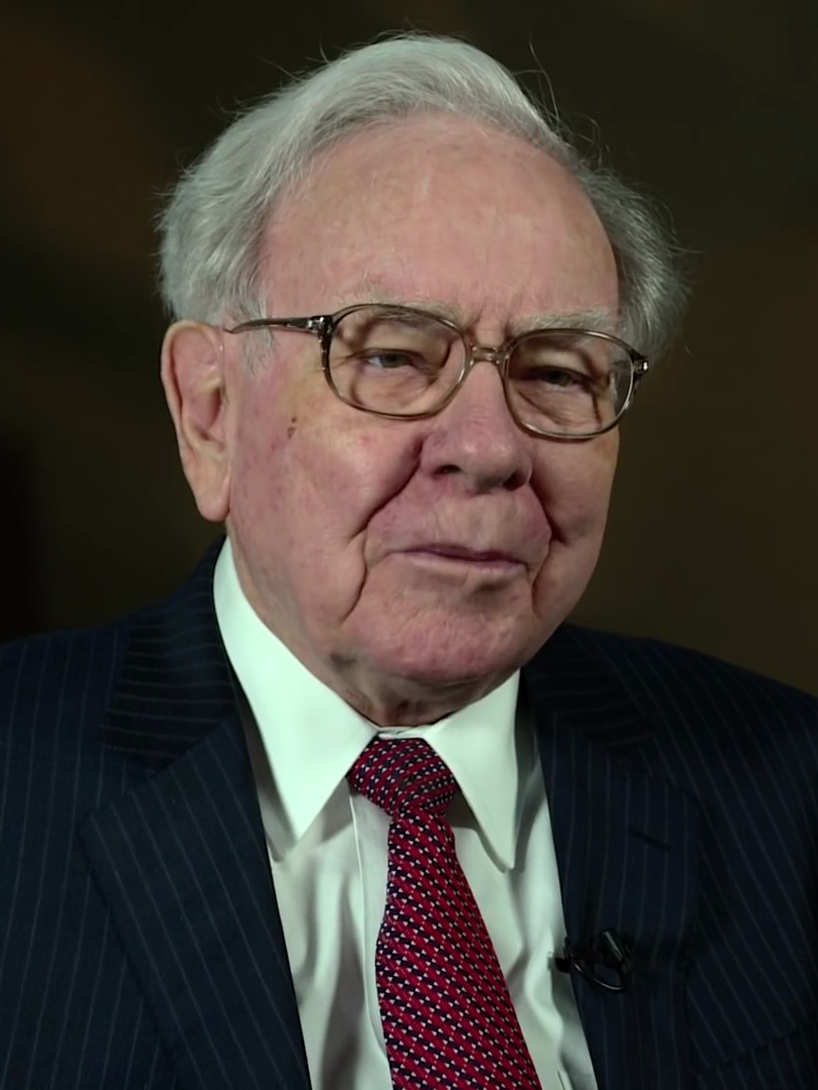 Warren Buffett
He took Graham's ideas to Omaha — and made them the most successful investing record in history.
Warren Buffett is the student who surpassed every master. Schooled by Benjamin Graham in the arithmetic of value, and reshaped by Charlie Munger toward great businesses bought at fair prices, he turned a failing textile mill into Berkshire Hathaway — one of the most valuable companies on earth.
This site bears the name of his city for a reason. The lineage we follow runs from Graham's classroom to Omaha, and Buffett is its centre of gravity.
1930
Born in Omaha
Warren Edward Buffett was born in Omaha, Nebraska, the son of a stockbroker and congressman. A precocious child of numbers, he was reading his father's investment books and reciting share prices before most children learn long division.
1941–1949
The boy capitalist
He bought his first shares at eleven, ran paper routes, sold gum, Coca-Cola and refurbished pinball machines, and filed his first tax return as a teenager. By the time he left school he had already saved a small fortune and read every investing book in the Omaha library.
1950
Finding Graham's book — and Graham
Rejected by Harvard, Buffett discovered that the authors of The Intelligent Investor taught at Columbia. He enrolled to study under Benjamin Graham, and became the only student to whom Graham ever awarded an A+.
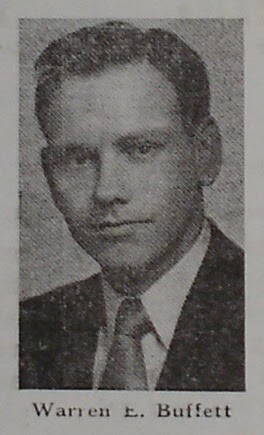 Warren Buffett
1954
Graham-Newman
After repeated requests, Graham finally hired him. For two years Buffett worked at the Graham-Newman partnership in New York, sifting for cheap, asset-rich "cigar-butt" stocks and absorbing the master's method at first hand.
1956
Home to Omaha, on his own
When Graham retired, Buffett returned to Omaha and launched the Buffett Partnership with money from family and friends. Compounding their capital at a remarkable clip, he quietly grew wealthy while almost no one outside Nebraska had heard his name.
1959
Meeting Charlie Munger
A dinner introduction brought him together with a fellow Omahan, the lawyer Charlie Munger. Their friendship — and Munger's insistence on quality over mere cheapness — would gradually transform how Buffett invested.
 Warren Buffett
1965
Berkshire Hathaway
Buffett took control of Berkshire Hathaway, a struggling New England textile maker. The mills would fade, but the shell became his vehicle: a holding company through which he would buy insurers, businesses and shares, and reinvest the cash they threw off.
1972
See's Candies — the turn to quality
Buying See's Candies taught Buffett the power of a beloved brand with pricing power. Guided by Munger, he moved decisively from buying fair companies at wonderful prices to buying wonderful companies at fair prices.
1988
Coca-Cola, and the long hold
Berkshire began accumulating a vast stake in Coca-Cola, the kind of durable franchise Buffett intended to own essentially forever. "Our favourite holding period," he liked to say, "is forever."
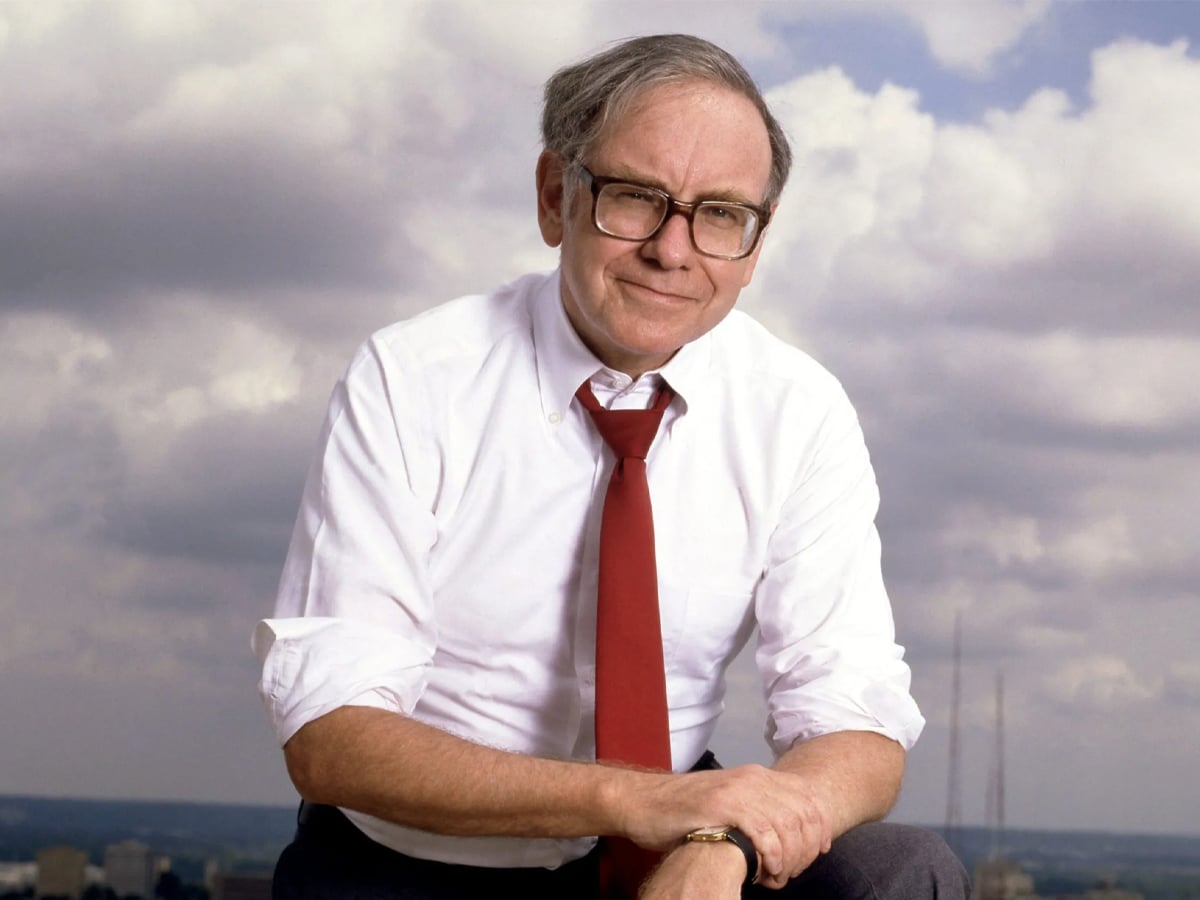 Warren Buffett
2006 –
The Giving Pledge
Having built one of the world's great fortunes, Buffett pledged to give nearly all of it away, chiefly through the Gates Foundation, and co-founded the Giving Pledge to enlist other billionaires. The Oracle of Omaha still works from the same modest office, in the same house he bought in 1958.
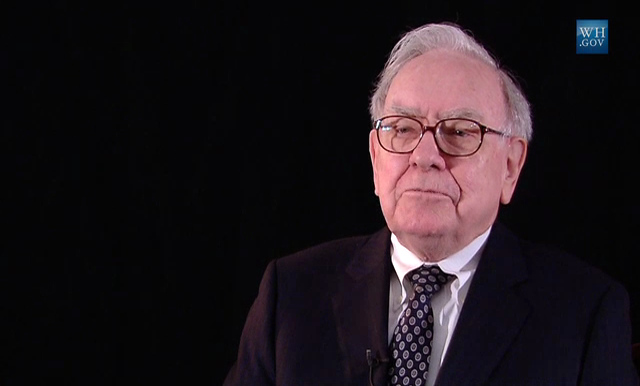 Warren Buffett
“Price is what you pay. Value is what you get.”
— Warren Buffett
Image credits & copyright
Freely-licensed photographs of Warren Buffett are scarce. Each image below belongs to its respective owner and is used here for educational and editorial purposes; where no free portrait exists, none is shown, in keeping with the standard set on the Benjamin Graham page.
- Warren Buffett photographs — Lead portrait — file image held by Omaha Investments India. 2010 photograph & the Buffett–Munger photograph — Creative Commons via Wikimedia Commons. Young and c.1990 photographs — © their respective owners, shown for educational / editorial use.